Selene Rayle | November 22, 2026
November 22, 2026
A properly maintained chimney is essential for keeping your home safe and your heating system efficient. Over time, soot, creosote, and debris accumulate inside chimney systems, increasing the risk of fires and ventilation problems. Scheduling professional chimney services helps remove hazardous buildup, identify damage, and maintain reliable fireplace performance.
Regular maintenance is especially important for households that frequently use wood-burning fireplaces. Neglecting chimney care can lead to expensive repairs and serious safety concerns. Understanding how often your chimney needs professional attention helps you establish an effective maintenance schedule. Annual inspections are an important part of protecting your home, even when your fireplace is not used regularly.
Preventing Chimney Fires and Protecting Indoor Air Quality
One of the most important reasons to schedule regular chimney cleaning is to reduce fire risks. Burning wood produces creosote, a highly flammable substance that collects along the interior walls of the chimney. When enough creosote accumulates, high temperatures can cause it to ignite.
According to the National Fire Protection Association, 30% of house fires caused by home heating are due to poorly maintained fireplaces and dirty chimneys. This statistic highlights the importance of routine inspections and cleaning. Professional chimney services help eliminate dangerous deposits before they become serious hazards.
A clean chimney also helps maintain healthy indoor air quality. When soot, debris, or animal nests restrict airflow, smoke can enter living spaces instead of escaping outside. This can expose household members to harmful pollutants, including carbon monoxide. Professional cleaning helps maintain proper ventilation and allows combustion gases to exit safely.
Improving Heating Efficiency and Preserving Chimney Structure
A clean chimney allows smoke and combustion gases to escape efficiently. Excessive creosote and soot buildup can restrict airflow, reducing heating performance and increasing fuel consumption. These problems may also place additional strain on connected heating equipment.
Routine maintenance helps preserve proper ventilation and consistent fireplace performance. Professionals can evaluate the flue and identify obstructions affecting airflow. Keeping the system clean supports more efficient heating while helping prevent unnecessary wear.
Chimneys also experience ongoing exposure to heat, moisture, and changing weather conditions. Over time, these factors can weaken masonry, damage mortar joints, and cause cracks in the flue liner. Professional inspections help identify deterioration before it becomes extensive. Consistent chimney services help preserve structural integrity and reduce the likelihood of costly repairs.
Understanding Factors That Affect Cleaning Frequency
The type of fuel burned and how frequently a fireplace operates both influence cleaning requirements. Wood-burning systems generally produce more creosote than gas-burning appliances, making regular inspections particularly important. Households that use their fireplaces throughout winter may need more frequent attention.
Gas fireplaces still require inspections for ventilation problems, corrosion, and other concerns. Even fireplaces used occasionally can develop blockages from animals and outdoor debris. Professional chimney services help establish an appropriate maintenance schedule based on fuel type and usage.
Older chimneys may require additional attention because years of exposure can weaken masonry and internal components. Cracked liners, deteriorating mortar, and previous structural damage can affect both safety and performance. These problems may become more expensive when left unaddressed. Technicians can evaluate masonry, liners, and other important components during routine appointments.
Weather conditions also influence chimney maintenance needs. Rain, snow, humidity, and freezing temperatures can contribute to deterioration and moisture intrusion. Homeowners should consider additional evaluations when severe weather causes visible damage. Regular inspections help protect the system throughout the year.
Recognizing Signs Your Chimney Needs Professional Cleaning
Dark, flaky deposits or thick, tar-like coatings inside the chimney may indicate excessive creosote accumulation. Persistent smoky odors around the fireplace can also suggest buildup or ventilation problems. These conditions should be evaluated by a qualified professional.
Technicians have the equipment needed to assess and remove hazardous deposits. Scheduling cleaning when these warning signs appear helps reduce fire risks. Regular chimney services also help maintain proper fireplace operation.
Smoke entering the living space may indicate a blocked chimney or restricted airflow. A fireplace that struggles to maintain a consistent draft can also have underlying ventilation problems. Technicians can inspect the flue and determine whether cleaning or repairs are necessary. Addressing these concerns helps restore proper ventilation and heating performance.
Animal activity and water damage are additional warning signs. Birds, squirrels, and other animals sometimes enter chimneys seeking shelter, creating obstructions with their nests. Water stains near a fireplace can signal damaged flashing, masonry, or other chimney components. Professional inspections help identify these problems before they cause more extensive damage.
Understanding the Professional Chimney Cleaning Process
Professional maintenance typically begins with an inspection of the chimney system. Technicians examine accessible components for creosote, soot, obstructions, and structural damage. This evaluation determines which cleaning methods and additional services may be necessary
.
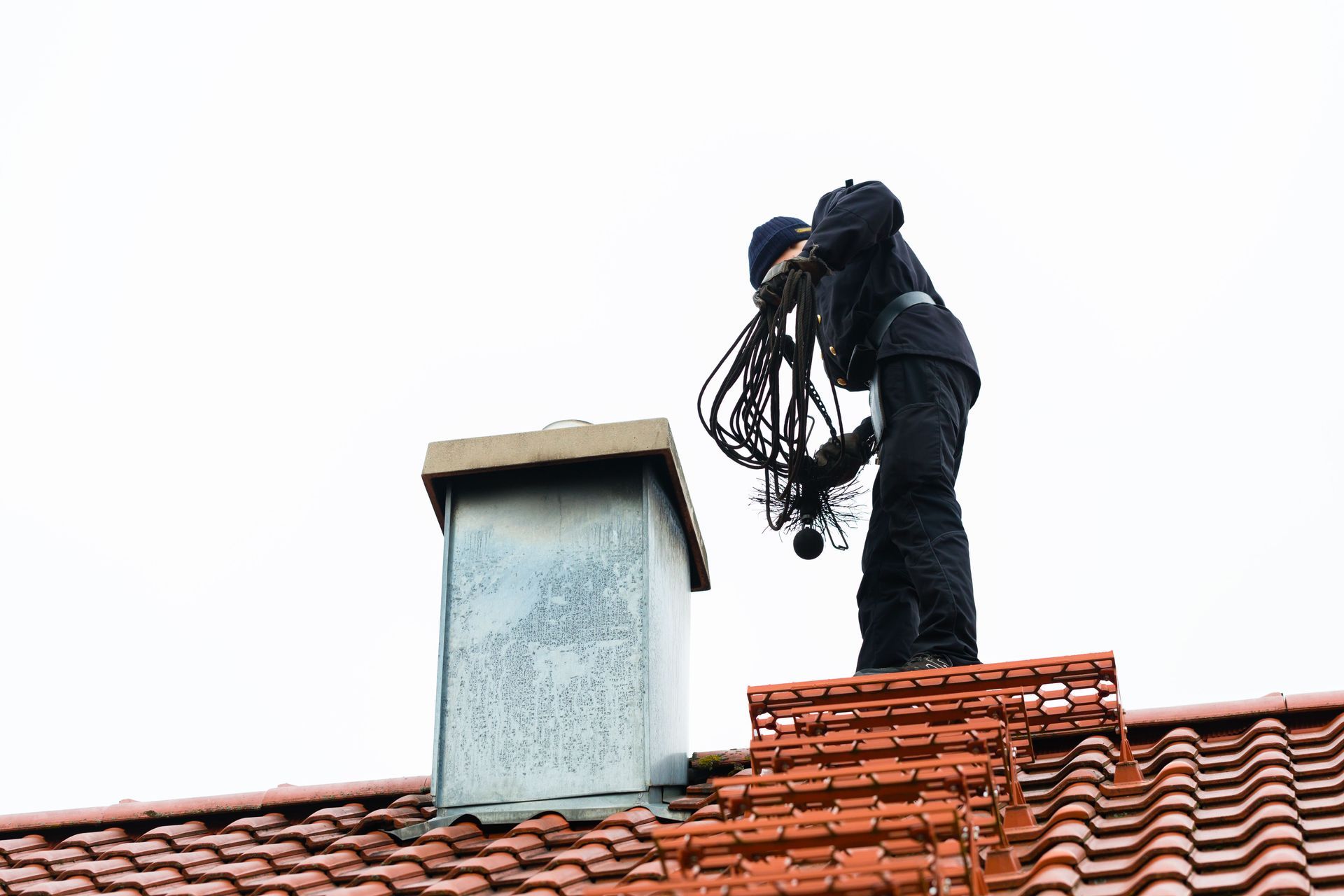
Professionals then use specialized brushes and commercial vacuum systems to remove accumulated deposits. The equipment helps collect debris while minimizing dust inside the home. Thorough chimney services address buildup that could interfere with safe fireplace operation.
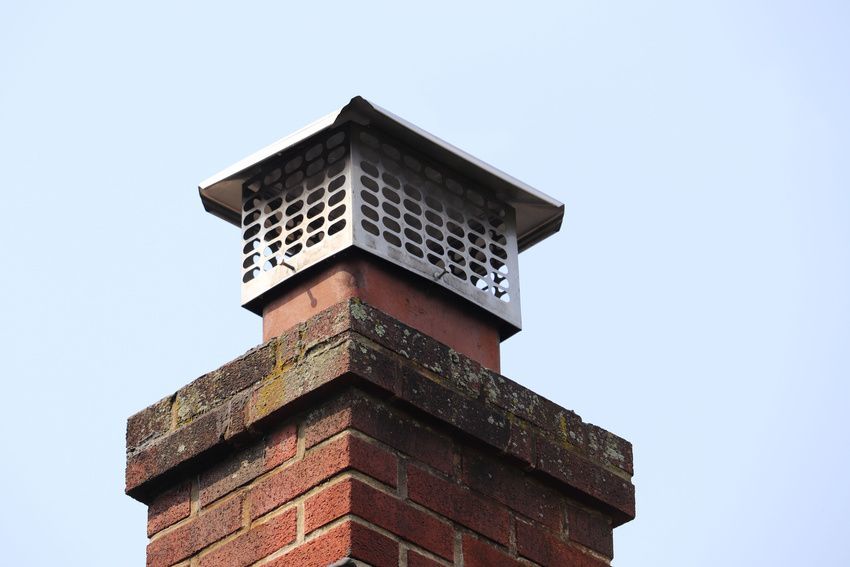
Professional cleaning also addresses materials that restrict chimney airflow. Leaves, branches, and animal nests can create blockages that interfere with ventilation. Technicians remove these obstructions and evaluate whether protective components are needed to reduce future problems.
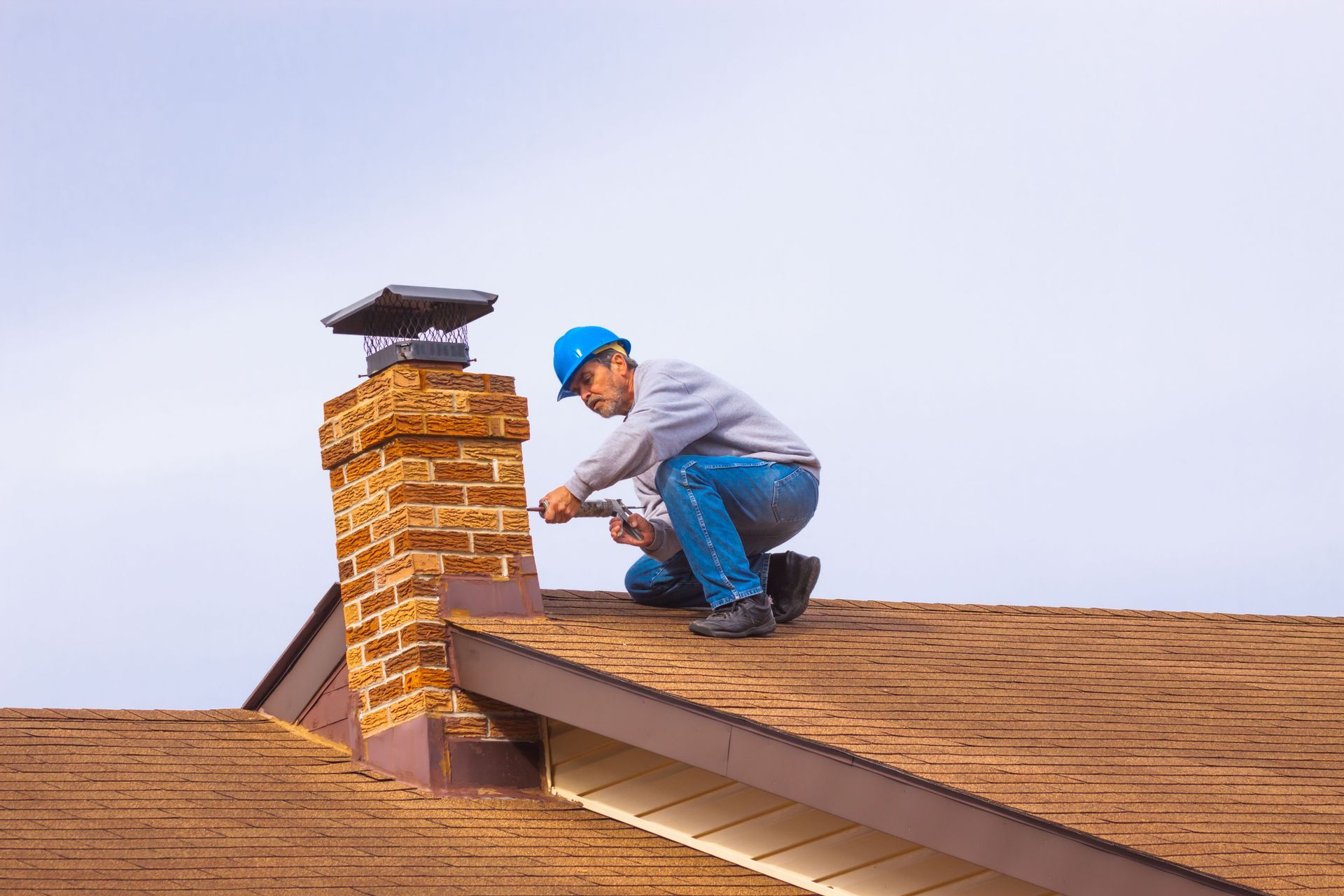
During the appointment, professionals also examine masonry, mortar joints, flue liners, and flashing. Identifying damage early can prevent more extensive repairs. Combining cleaning with inspections helps preserve the chimney's condition and provides homeowners with a better understanding of future maintenance needs.
The scope of professional maintenance may vary depending on the chimney's age, design, and condition. Some systems require additional attention to address stubborn creosote deposits or damaged components. A qualified technician can explain the findings and recommend services based on the system's specific requirements. This ensures homeowners understand which maintenance tasks are necessary to keep their fireplaces operating safely.
Determining the Best Time for Chimney Cleaning
Late summer and early fall are convenient times to schedule chimney cleaning and inspections. Completing maintenance before colder weather arrives ensures the system receives attention before regular fireplace use begins. It also provides time to address any necessary repairs.
Chimney professionals often experience increased demand during winter. Scheduling early helps homeowners secure appointments without unnecessary delays. Annual chimney services are an important part of preparing for the heating season.
Homeowners should also consider their fireplace usage when establishing a maintenance schedule. Frequently used wood-burning fireplaces may require additional cleaning depending on creosote accumulation. Seasonal users should arrange inspections before returning their fireplaces to regular operation.
Severe weather may create the need for additional evaluations. Strong winds, heavy precipitation, and freezing temperatures can damage exterior components or contribute to moisture intrusion. Professional inspections help identify these problems before they worsen.
Planning maintenance appointments ahead of time also makes it easier to address unexpected repair needs. If an inspection reveals damaged masonry or a deteriorating flue liner, homeowners have an opportunity to arrange repairs before relying on their fireplaces during colder weather. Staying consistent with chimney services helps prevent maintenance from being overlooked.
Keeping your chimney clean and properly maintained is essential for household safety and heating efficiency. Regular inspections help identify creosote accumulation, ventilation problems, animal obstructions, and structural deterioration before they become more serious. Establishing a consistent maintenance schedule can reduce fire risks and extend the life of your chimney.
For dependable chimney services, contact Oregon Chimney Repair & Cleaning. Professional attention can help keep your chimney operating safely while identifying maintenance and repair needs throughout the year. Contact Oregon Chimney Repair & Cleaning today to schedule an inspection and prepare your chimney for the heating season.