Selene Rayle | October 28, 2026
October 28, 2026
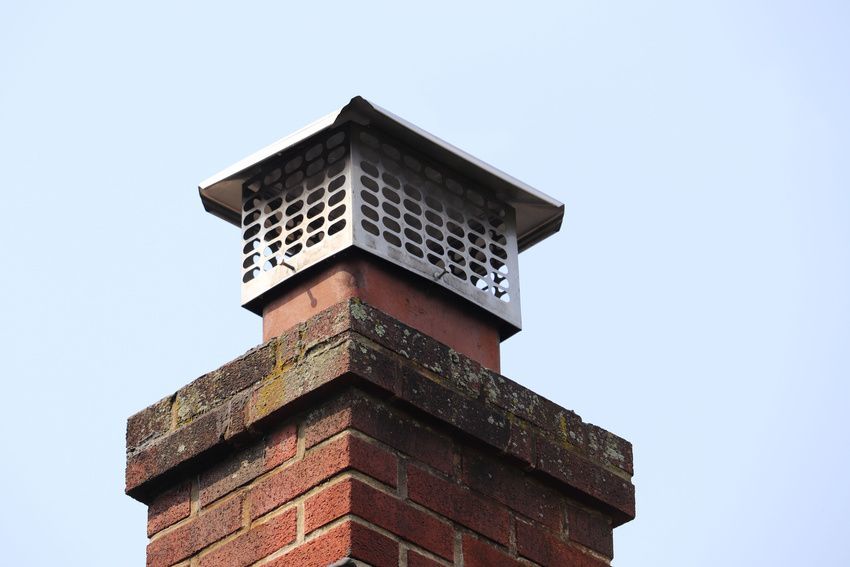
A chimney cap is an important component of a residential chimney system, helping protect the structure from rain, debris, and unwanted animal entry. In Oregon, where properties experience seasonal rainfall, damp conditions, falling leaves, and occasional winter storms, a properly fitted cap can help limit exposure to moisture and other outdoor elements. Pairing this protection with professional chimney services can help homeowners maintain their fireplaces and chimneys throughout the year.
Although chimney caps may appear simple, their design and condition can affect how well a chimney functions. A damaged, poorly fitted, or obstructed cap may not provide the protection a home needs. Professional evaluations can help determine whether an existing cap remains suitable or whether replacement should be considered.
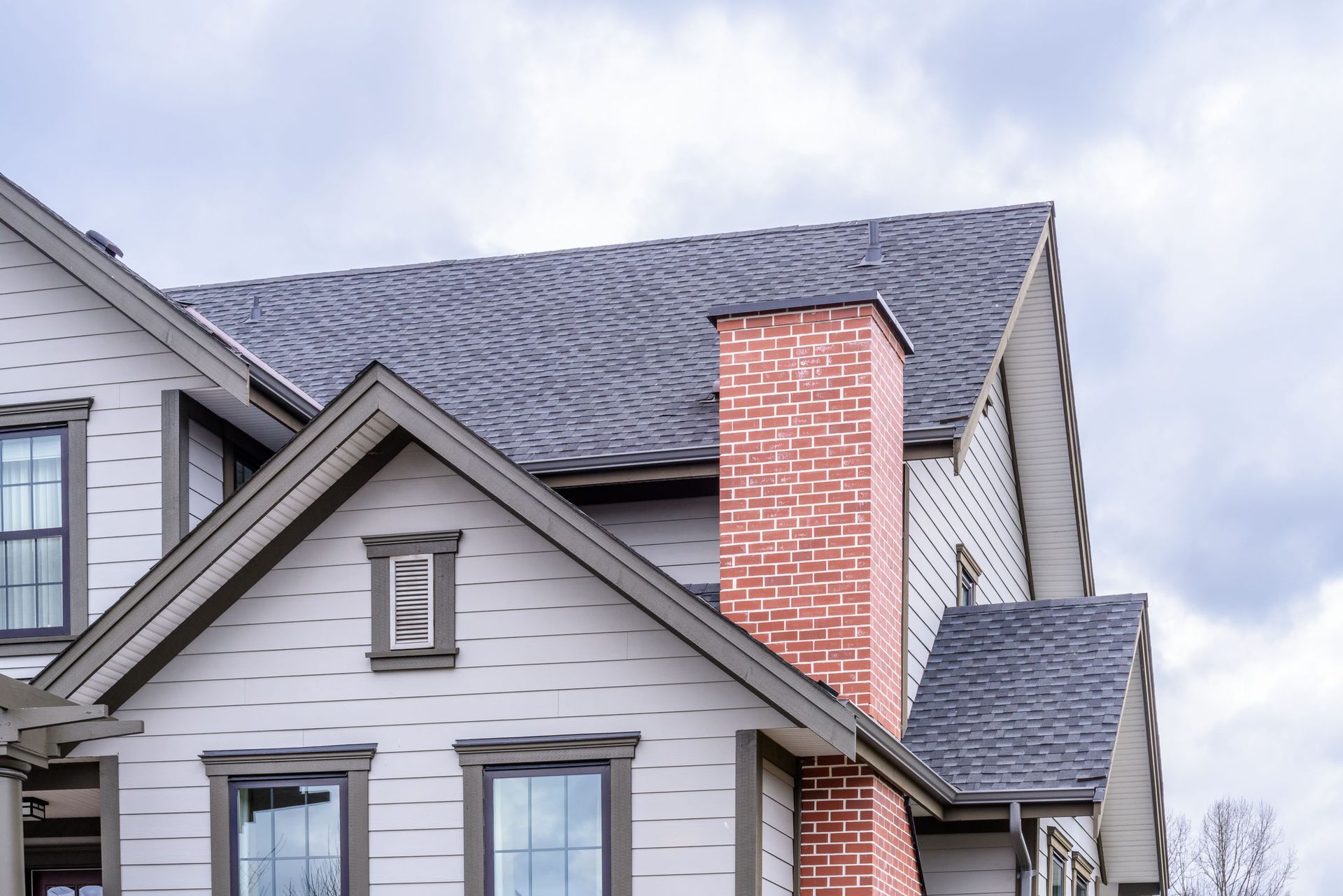
Chimney protection also involves more than the cap itself. The crown, flashing, masonry, flue, and other components work together to help direct smoke outdoors and protect the surrounding structure. Understanding how these parts interact helps homeowners recognize the value of routine inspections and timely maintenance.
Examining the Growing Interest in Chimney Caps
According to Research and Markets, the global chimney caps market is expected to increase from US$136 million in 2026 to approximately US$156 million by 2034, reflecting a compound annual growth rate of 2.2%. This projected growth highlights the continuing role of chimney caps in residential and other chimney systems.
For homeowners, the practical value of a cap extends beyond protecting an opening at the top of a chimney. A properly selected cap can help reduce rainwater entry, discourage birds and other animals from nesting inside the flue, and limit the accumulation of leaves and other debris. These benefits are especially relevant in the Pacific Northwest, where prolonged wet weather can place additional demands on exterior building materials.
Homeowners considering chimney services can benefit from understanding how cap installation fits into broader maintenance needs. A cap should complement the chimney's design and fuel system, rather than interfere with the movement of smoke and combustion gases. Professional assessment helps determine the appropriate type, fit, and installation method for a particular property.
Protecting Chimneys From Oregon's Wet Weather
Rain is a significant consideration for homes throughout the Portland metropolitan area. Repeated exposure to moisture can affect masonry, mortar joints, metal components, and interior fireplace materials. Although a chimney cap helps limit water entering through the flue opening, it cannot prevent every type of leak or resolve existing structural damage.
Water may also enter around deteriorating flashing, a damaged chimney crown, or cracked masonry. Once moisture penetrates these areas, it can contribute to rust, staining, crumbling mortar, and deterioration of the firebox. During colder weather, moisture absorbed into masonry may freeze and expand, placing additional stress on already weakened materials.
Effective chimney services address the chimney as a complete system. An inspection can help identify whether a missing or damaged cap is contributing to moisture problems or whether additional repairs are necessary. This approach helps homeowners understand the source of a concern before deciding which work should take priority.
Preventing Animal Entry and Debris Accumulation
An uncovered or inadequately protected chimney can provide an entry point for birds, squirrels, and other wildlife. Animals may attempt to nest inside the flue, introducing nesting materials that obstruct the passage of smoke and exhaust. Leaves, twigs, and other airborne debris can create similar problems, particularly when surrounding trees shed material during autumn.
A suitable chimney cap provides a physical barrier against many of these intrusions. Depending on the design, it may incorporate screening that helps keep animals and debris out while allowing exhaust to escape. The appropriate configuration depends on the chimney, the appliance it serves, and applicable requirements.
Professional chimney services can help determine whether an existing cap offers suitable protection or requires replacement. A technician can also evaluate signs of blockage and inspect accessible components for damage. If an animal is already present, the situation may require appropriate wildlife handling before the chimney can be returned to normal use.
Maintaining Proper Draft and Ventilation
A chimney must provide a suitable passage for smoke and combustion gases to leave the home. The cap plays a role in this process because its shape, opening size, and condition can influence airflow. A cap that is damaged, obstructed, or inappropriate for the appliance may contribute to drafting difficulties.
Wind conditions can also affect how a chimney performs. In some situations, a properly designed cap can help reduce downdrafts that push outside air or odors into the home. However, chimney performance depends on several factors, including flue dimensions, chimney height, ventilation, and the condition of the connected fireplace or heating appliance.
When homeowners experience smoke backing up into a room or difficulty maintaining a fire, the cause may not be the cap alone. Creosote accumulation, a blocked flue, damaged liners, or other system issues may contribute to the problem. Professional chimney services can help distinguish between these possibilities and identify an appropriate course of action.
Identifying Signs of Chimney Cap Damage
Chimney caps remain exposed to wind, rain, falling branches, and seasonal temperature changes. Over time, these conditions can loosen fasteners, damage screens, corrode metal, or shift a cap out of position. Even relatively small defects may reduce its ability to protect the flue opening.
Homeowners may notice visible rust staining, unusual noises during windy weather, or evidence of animals entering the chimney. A cap that appears tilted or detached may also indicate a problem requiring professional attention. From ground level, however, it can be difficult to determine the extent of the damage or whether other components have been affected.
Professional chimney services can include evaluating the cap alongside the chimney crown, flashing, masonry, and flue. Examining these components together helps reveal whether the problem is isolated or part of a broader maintenance concern.
Scheduling Inspections Before the Heating Season
Autumn is a practical time for homeowners in Oregon to arrange chimney inspections and cleaning before fireplace use increases. Scheduling early can provide an opportunity to identify maintenance needs, discuss repairs, and confirm that the system is ready for the colder months.
An inspection may involve checking the flue liner, firebox, damper, chimney crown, flashing, masonry, and cap. The technician can also look for creosote accumulation, obstructions, and signs of moisture intrusion. Cleaning may be recommended when soot, creosote, or other deposits have accumulated inside the system.
Regular chimney services are valuable even when a fireplace appears to function normally. Many important components are concealed within the flue or positioned above the roofline, making deterioration difficult to recognize without a closer evaluation. Early identification can help homeowners plan necessary work before damage becomes more extensive.
The National Fire Protection Association recommends annual inspections of chimneys, fireplaces, and vents. The appropriate cleaning schedule depends on usage, fuel type, and the system's condition. Homeowners who use wood-burning fireplaces frequently may need more frequent attention than those who use them occasionally.
Choosing Comprehensive Chimney Care for Long-Term Protection
Chimney caps provide an important first line of defense against rain, animals, and debris, but lasting protection requires attention to the entire chimney system. A properly installed cap works alongside sound masonry, intact flashing, a suitable liner, and regular inspections to support safe fireplace operation.
For homeowners throughout the Portland metro area, chimney services can address concerns ranging from cap installation and cleaning to masonry repairs, leak resolution, and more extensive restoration. The appropriate work depends on the property's condition, the chimney's construction, and the issues identified during a professional assessment.
Local experience can be particularly valuable in Oregon, where persistent moisture and seasonal weather changes place ongoing demands on chimneys. Understanding these conditions helps professionals evaluate vulnerable areas and recommend maintenance that reflects the needs of local homes.
When selecting a contractor, homeowners should look for clear estimates, a thorough explanation of recommended work, and information about applicable workmanship warranties. Asking questions about materials, installation methods, and any related repairs can also help set realistic expectations for the project.
Maintaining a chimney is an investment in the home's comfort, functionality, and long-term condition. Addressing concerns before the heating season and keeping up with routine inspections can help reduce avoidable problems while supporting more dependable fireplace use.
For professional cap installation, inspections, cleaning, or repairs, contact Oregon Chimney Repair & Cleaning to schedule an assessment and request a free estimate for your Portland-area home.