Homeownership requires ongoing attention to vital structural components that safeguard living spaces and maintain household warmth. Among the various utility systems within a residence, fuel-burning hearths and venting structures play an essential role in providing comfort during cold weather months. Ensuring these systems operate efficiently and safely demands regular evaluation by trained professionals who understand the intricate mechanics of venting architecture. Engaging professional assistance helps preserve structural integrity, improves heating efficiency, and provides vital peace of mind for property owners throughout the year.
Understanding what occurs during a professional maintenance visit helps homeowners prepare for routine appointments and recognize the value of comprehensive system evaluations. Professional technicians perform thorough evaluations that encompass everything from flue liner assessments to exterior masonry condition checks. By recognizing the stages involved in a standard home assessment, residents can make informed decisions regarding property care, heating safety, and long-term maintenance planning. A proactive approach to hearth maintenance prevents costly emergency repairs, protects household members, and guarantees that indoor fires remain a source of comfort rather than risk across every season. Taking time to prepare for professional service visits guarantees seamless maintenance experiences that protect long-term home value.
Inspecting the Flue and Exterior Structures
Professional technicians initiate evaluations by conducting meticulous visual assessments of both internal venting channels and external structural components. Using specialized tools like high-resolution video cameras, technicians inspect the inner lining of the flue from top to bottom. This internal examination reveals hidden gaps, cracked clay tiles, or deteriorating metal liners that could allow toxic gases or intense heat to leak into surrounding wall spaces. Evaluating structural soundness ensures that smoke and combustion byproducts travel safely upward and out of the dwelling without compromising interior air quality or posing fire hazards.
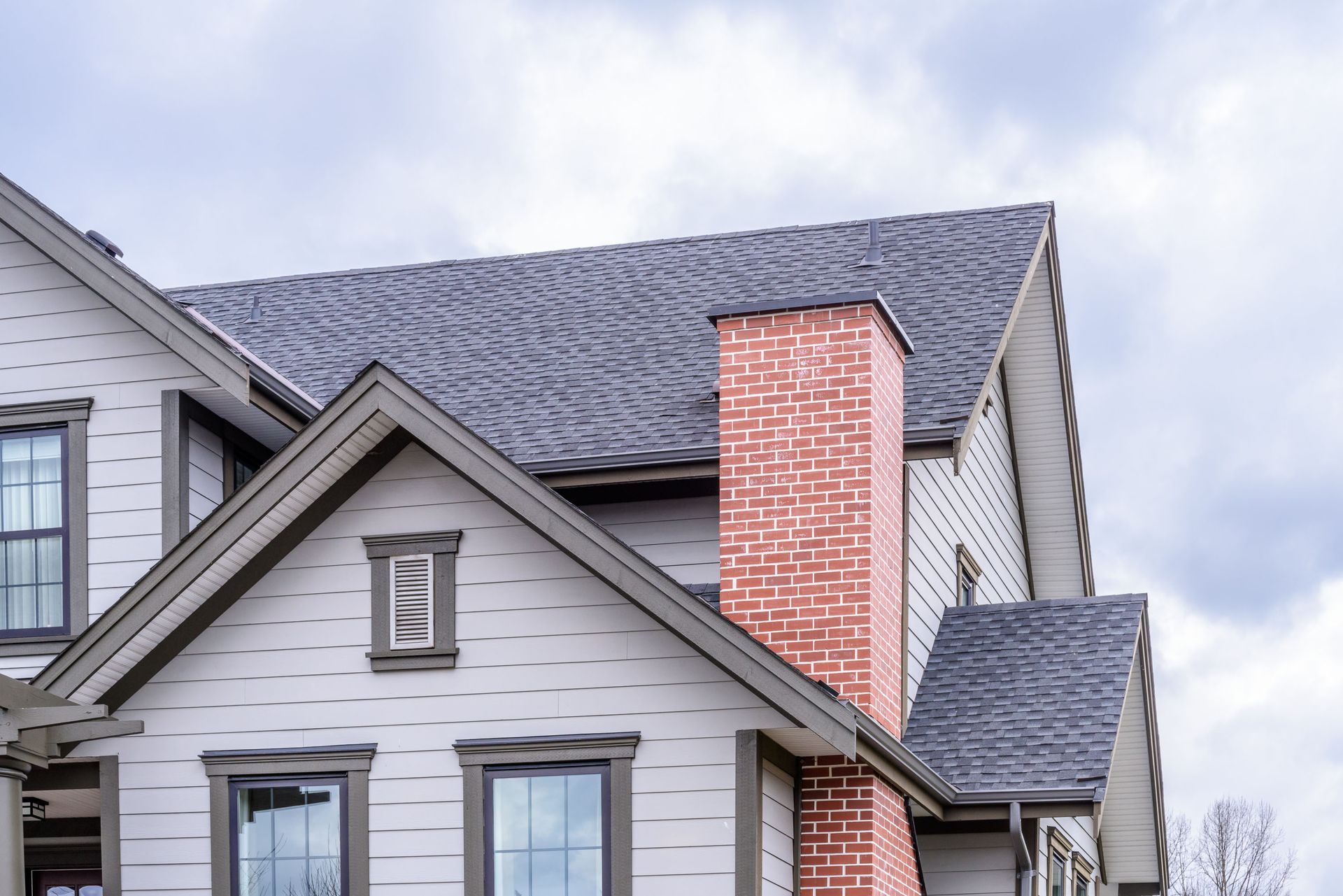
External evaluations focus on masonry condition, chimney caps, flashing, and structural alignment above the roofline. Technicians carefully examine mortar joints for weather-related erosion, loose bricks, spalling masonry, and moisture intrusion markers. Moisture accumulation poses significant risks, as freezing weather causes trapped water to expand inside brick pores, accelerating structural decay over time. Identifying vulnerabilities early prevents extensive masonry rebuilding projects down the road. Booking a comprehensive chimney service guarantees that every visible and concealed component undergoes detailed inspection before winter heating demands begin. Meticulous evaluation practices guarantee that minor issues receive immediate attention before evolving into major hazards.
Clearing Hazardous Creosote and Soot Deposits
Combustion processes naturally produce unwanted byproducts that collect along internal flue walls over time. Creosote, a highly flammable tar-like residue, presents a significant hazard if allowed to accumulate without intervention. Professional cleaning involves using specialized brushes, flexible rods, and industrial vacuum equipment designed to remove hardened creosote and powdery soot deposits safely. Technicians seal off indoor hearth openings with protective barriers to prevent dust, ash, and odor from escaping into living quarters during the cleaning process.
Eliminating flammable residues drastically reduces the risk of dangerous structural blazes within venting flues. To emphasize the ongoing necessity of regular heating system maintenance across the country, According to to the U.S. Fire Administration, the U.S. recorded 27,200 residential heating fires in 2024. Routine removal of organic buildup ensures unrestricted exhaust flow while safeguarding homes against preventable heating hazards. Scheduling a certified chimney service on an annual basis maintains clean venting pathways, optimizes draft efficiency, and protects households from hazardous flue fires. Comprehensive soot and creosote extraction restores proper exhaust flow while preserving indoor air purity.
Checking Essential Ventilation and Airflow Pathways
Proper draft dynamics rely on unobstructed venting channels that allow fresh air intake and continuous exhaust expulsion. During maintenance visits, technicians verify that airflow pathways remain completely clear of external blockages such as bird nests, fallen leaves, twigs, or animal debris. External obstructions restrict exhaust discharge, forcing dangerous carbon monoxide and dense smoke back into living areas. Installing or maintaining protective metal mesh caps prevents wildlife, falling foliage, and outdoor debris from entering venting shafts.
Evaluating draft functionality ensures that fuel burns cleanly and efficiently within hearth fireboxes. Technicians assess damper operation to verify smooth opening and closing mechanisms, preventing valuable heated indoor air from escaping up the flue when the hearth stands idle. Proper damper sealing reduces energy waste, improves climate control, and enhances overall home heating performance. Utilizing a dedicated chimney service ensures optimal ventilation dynamics, allowing fireplace setups to draw fresh combustion air efficiently while venting toxic gases safely outside. Unobstructed airflow dynamics allow hearths to operate at peak thermal output throughout winter heating periods.
Identifying Structural Damage and Masonry Cracks
Masonry structures endure severe environmental exposure, leading to inevitable wear and tear over extended timeframes. During detailed evaluations, technicians search for hairline cracks in hearth floors, crumbling mortar along firebrick walls, and deteriorating crown seals atop exterior stacks. Water leaks represent a primary cause of structural decay, as moisture seeps through minor masonry fissures and degrades internal mortar beds. Detecting minor surface cracks allows homeowners to arrange timely repairs before moisture causes catastrophic failure or costly timber decay.
Addressing structural deficiencies promptly preserves overall property value and prevents hazards associated with falling masonry. Technicians evaluate water-repellent coatings, flashing seals around roof intersections, and metal chase covers to ensure watertight protection. Applying protective sealants prevents future moisture penetration while extending the lifespan of exposed brickwork. Relying on an expert chimney service helps identify hidden structural flaws, providing actionable repair solutions that protect structural foundations and preserve home exterior aesthetics. Restoring damaged masonry components prevents moisture from degrading internal home frameworks and wall structures.
Recommending Preventive Maintenance and System Upgrades
Following comprehensive physical evaluations and cleaning routines, technicians provide property owners with detailed condition reports. These reports outline current system status, highlight potential safety concerns, and suggest practical maintenance actions tailored to specific home layouts. Professional recommendations may include installing modern stainless steel flue liners, replacing worn damper assemblies, or applying breathable masonry waterproofing treatments. Detailed documentation assists homeowners in prioritizing necessary repairs based on urgency, structural needs, and long-term heating goals.
Upgrading outdated venting components enhances system efficiency, improves operational safety, and ensures compliance with modern building codes. Technicians may suggest converting traditional wood-burning setups to modern gas inserts or installing top-sealing dampers to eliminate cold downdrafts during windy weather. Implementing recommended improvements minimizes energy loss, lowers heating bills, and protects heating investments for years to come. Partnering with a reputable chimney service provides property owners with expert guidance on modernizing heating features safely and effectively. Clear maintenance roadmaps help property owners make confident choices regarding system safety and functional upgrades.
Ensuring Safe Fireplace Operation for Every Season
Ensuring operational safety requires ongoing adherence to proper operating techniques and routine professional oversight. Technicians educate homeowners on proper fuel selection, emphasizing the use of seasoned hardwoods that burn cleanly and minimize creosote formation. Avoiding green wood, trash, or treated lumber preserves flue cleanliness and reduces pollutant emissions into local air basins. Learning optimal fire-building methods promotes complete fuel combustion, generating maximum warmth while producing minimal ash buildup inside fireboxes.
Routine professional checkups guarantee that safety features function properly before cold weather arrives. Verifying carbon monoxide detector placement near hearth areas adds an extra layer of protection for household members. Maintaining a clean hearth area, using protective spark screens, and following expert advice ensures worry-free fireplace enjoyment throughout winter months.
At Oregon Chimney Repair & Cleaning, we dedicate ourselves to delivering top-tier maintenance and restoration solutions tailored to your property needs. Our experienced technicians provide thorough evaluations, reliable sweeps, and precision masonry work to keep your home warm, secure, and energy-efficient. Contact our expert team today to schedule your comprehensive assessment and enjoy lasting fireplace comfort with complete peace of mind.