A well-maintained chimney plays an important role in keeping your home safe, comfortable, and functional throughout the colder months. Whether you use a traditional wood-burning fireplace or a gas heating appliance, your chimney helps direct smoke, combustion gases, and other byproducts outside. However, exposure to heat, moisture, and changing weather conditions can gradually affect its performance. Without proper attention, minor problems may develop into expensive repairs or serious safety concerns. Professional chimney services help homeowners maintain their fireplaces, identify potential hazards, and protect their properties. From routine inspections to specialized repairs, understanding available maintenance options can help you make informed decisions. The following essential services support reliable chimney operation and reduce the likelihood of unexpected complications.
Scheduling Routine Chimney Inspections
Regular inspections are among the most important steps homeowners can take to maintain their chimney systems. Over time, masonry deterioration, damaged liners, blockages, and other concerns may develop without producing obvious warning signs. Professional inspections help identify these conditions before they interfere with normal operation. Technicians examine accessible chimney components, evaluate their condition, and determine whether cleaning or repairs are necessary.
According to the U.S. Fire Administration, chimneys and fireplaces should undergo professional inspections no less than once a year. Annual evaluations are especially important for homeowners who frequently use wood-burning fireplaces or heating appliances. Certain circumstances, including suspected damage or changes to the heating system, may require additional assessments. Scheduling inspections before the heating season allows homeowners to address concerns before relying heavily on their fireplaces.
Performing Professional Chimney Cleaning
Chimney cleaning helps remove soot, creosote, and other materials that accumulate during fireplace operation. Creosote is a combustible substance produced when wood burns, and excessive buildup can increase the risk of chimney fires. Leaves, animal nests, and other debris may also obstruct the flue, restricting ventilation and affecting appliance performance. Professional cleaning addresses these concerns while allowing technicians to identify visible deterioration.
The frequency of cleaning depends on fireplace usage, fuel type, and chimney condition. Homeowners who burn wood regularly may require more frequent attention than those who use their fireplaces occasionally. Professional chimney services include evaluating accumulated deposits and recommending appropriate cleaning schedules. Removing buildup helps maintain airflow, reduces fire hazards, and supports efficient operation throughout the heating season.
Repairing Damaged Chimney Masonry
Brick and mortar chimneys experience continuous exposure to changing temperatures, precipitation, and seasonal weather conditions. Over time, these factors can cause mortar joints to deteriorate, bricks to crack, and masonry surfaces to weaken. Small openings may allow moisture to enter the structure, accelerating deterioration and potentially affecting surrounding building materials. Recognizing these problems early helps homeowners avoid extensive structural damage.
Professional masonry repairs may involve replacing damaged bricks, restoring mortar joints, or addressing other compromised components. The appropriate approach depends on the chimney's age, construction, and overall condition. Technicians can determine whether localized repairs are sufficient or more extensive restoration is necessary. Maintaining sound masonry helps preserve structural stability, limits moisture penetration, and supports the chimney's long-term performance.
Restoring Chimney Liners and Flues
The chimney liner creates a protective passage that directs combustion gases away from the fireplace or heating appliance. It also helps protect surrounding building materials from excessive heat and potentially harmful byproducts. Liners can deteriorate because of age, moisture exposure, chimney fires, or improper installation. Cracks, gaps, and damaged sections may compromise the system's ability to vent combustion gases safely.
Professional technicians can inspect the liner and recommend repairs or replacement when necessary. Available materials include stainless steel and certain masonry-based systems, depending on the appliance and chimney configuration. Proper sizing and installation are essential for maintaining suitable ventilation. Homeowners seeking chimney services should prioritize liner evaluations when experiencing drafting problems, visible deterioration, or changes to their heating equipment.
Preventing Chimney Leaks and Moisture Damage
Water intrusion is a common source of chimney deterioration. Rain, snow, and melting ice can enter through damaged masonry, deteriorated flashing, or missing protective components. Moisture may contribute to stained ceilings, peeling paint, weakened mortar, and damage around the fireplace. Repeated freezing and thawing can also expand existing cracks, allowing additional water to penetrate the structure.
Professionals may recommend flashing repairs, chimney crown restoration, or appropriate masonry waterproofing treatments to manage moisture exposure. The best solution depends on where water enters and which components are affected. Properly applied breathable waterproofing products can help reduce water absorption without trapping moisture inside masonry. Routine evaluations help identify vulnerable areas before leaks cause significant damage.
Installing Chimney Caps and Protective Components
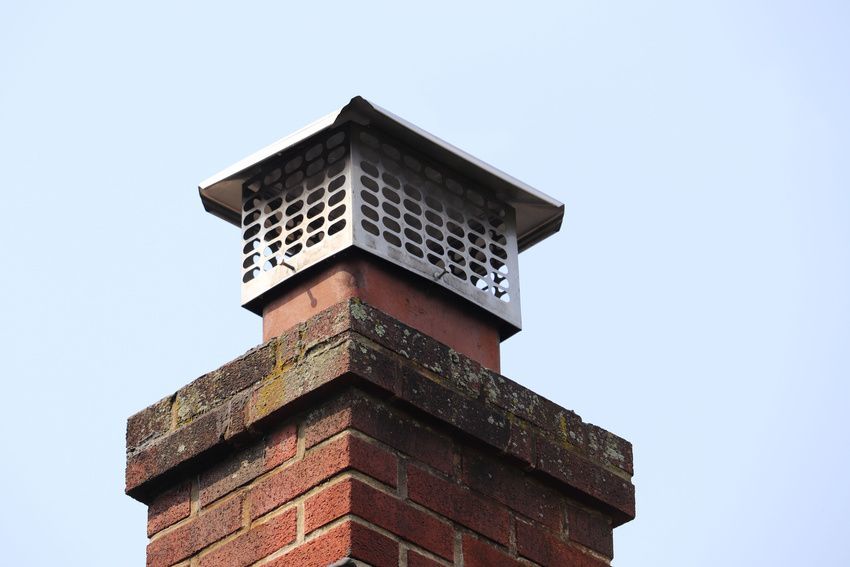
Chimney caps provide protection against rain, debris, and animals entering the flue. Without an appropriate cap, birds and other wildlife may build nests inside the chimney, potentially restricting airflow. Leaves, branches, and precipitation can also enter the opening and contribute to blockages or deterioration. A properly selected cap helps reduce these risks while allowing combustion gases to escape.
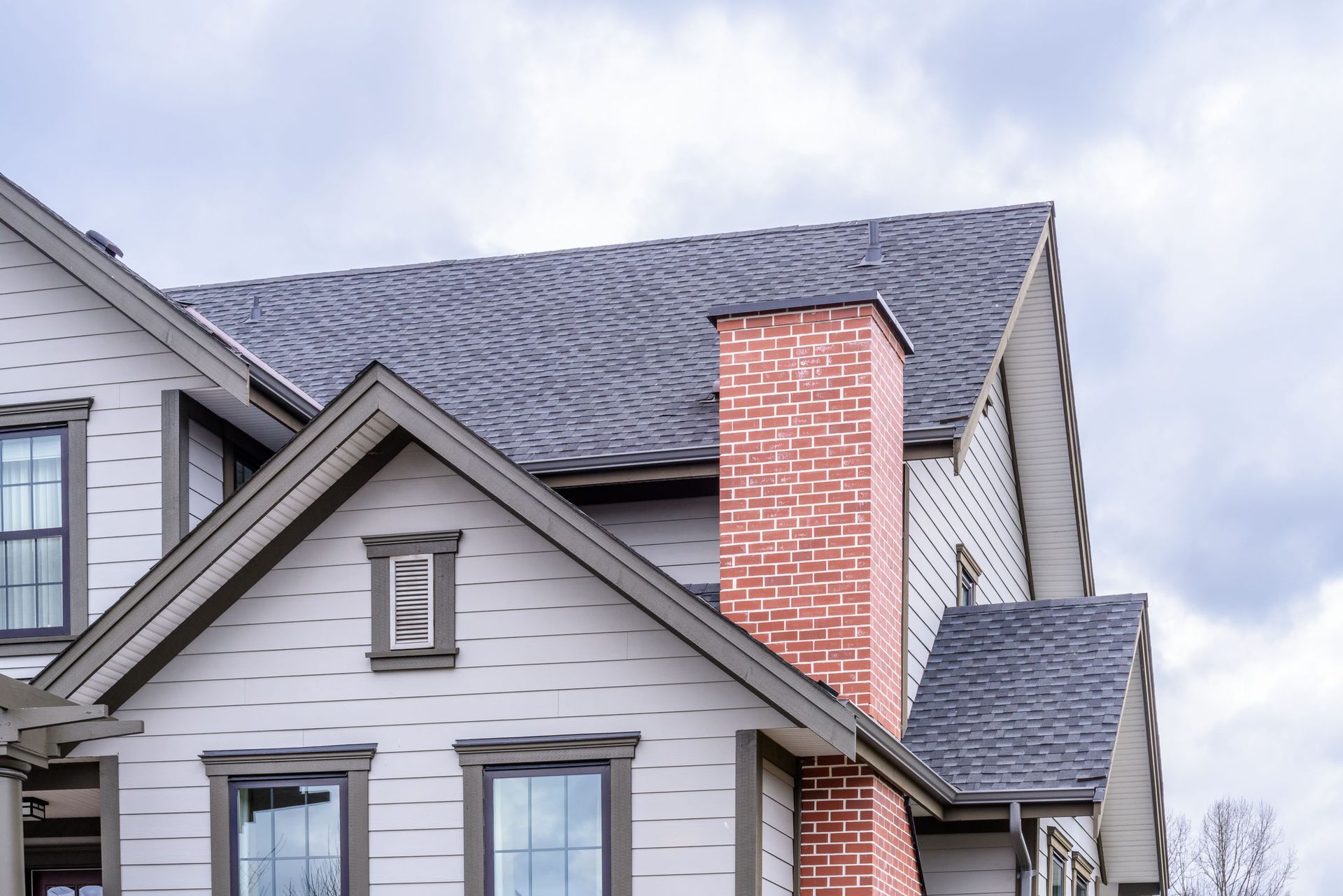
Additional protective components, including chimney crowns and flashing, serve different purposes in maintaining the system. Crowns help direct water away from the chimney's upper masonry, while flashing seals the connection between the chimney and roof. Professional chimney services can include evaluating these components and replacing damaged materials. Choosing compatible products and ensuring proper installation helps protect against environmental exposure.
Correcting Fireplace Drafting and Ventilation Problems
Proper ventilation allows smoke and combustion gases to travel through the chimney and exit the home. When drafting problems occur, homeowners may notice smoke entering living spaces, persistent fireplace odors, or difficulty maintaining a steady fire. These symptoms can result from blockages, improper chimney dimensions, pressure differences, or damaged components. Because inadequate ventilation creates safety concerns, recurring problems deserve professional evaluation.
Technicians may inspect the flue, examine potential obstructions, and evaluate factors affecting airflow. Depending on their findings, solutions might involve cleaning, component repairs, or modifications to the venting system. Homeowners should avoid operating fireplaces that repeatedly release smoke into occupied areas. Installing and maintaining appropriate carbon monoxide alarms also provides an important additional safety measure.
Maintaining Fireplace Dampers and Accessories
Fireplace dampers help regulate airflow through certain chimney systems. When functioning properly, they allow homeowners to open the flue during appropriate fireplace operation and limit unwanted air movement when the fireplace is not in use. Damaged, corroded, or improperly fitted dampers may become difficult to operate or fail to seal effectively. These conditions can contribute to drafts, heat loss, and operational difficulties.
Professional maintenance may include inspecting damper mechanisms, removing accumulated debris, and repairing or replacing damaged components. Technicians can also evaluate fireplace doors, screens, and other accessories that contribute to convenience and safety. Different fireplace designs have specific operating requirements, so homeowners should follow manufacturer guidance. Maintaining these components helps improve usability while supporting overall fireplace performance.
Addressing Chimney Deterioration Before Replacement
Not every damaged chimney requires complete replacement. In many cases, targeted repairs can restore functionality and preserve existing materials. However, widespread masonry deterioration, severe structural movement, or extensive damage may require partial rebuilding or reconstruction. Determining the appropriate solution involves evaluating the chimney's condition, identifying underlying causes, and considering whether previous repairs have addressed recurring problems.
Experienced professionals can explain available restoration options and help homeowners compare their costs and benefits. Comprehensive chimney services may involve coordinating masonry repairs, liner replacement, and moisture protection to address multiple concerns. A carefully planned approach helps avoid unnecessary work while ensuring important structural and safety issues receive attention. Investing in timely restoration can protect surrounding building materials and support continued fireplace use.
Maintaining a safe and functional chimney requires more than occasional fireplace cleaning. Routine inspections, professional sweeping, masonry repairs, liner evaluations, and moisture protection all contribute to dependable operation. Homeowners should also pay attention to ventilation concerns, damaged protective components, and deteriorating fireplace accessories. Addressing these issues promptly can reduce safety risks, prevent expensive damage, and extend the useful life of the chimney system. Professional chimney services provide valuable guidance for identifying problems and selecting appropriate maintenance solutions. Whether your chimney needs routine attention or extensive restoration, working with experienced technicians can help protect your home and maintain comfortable fireplace operation. For dependable chimney inspections, cleaning, maintenance, and repairs, contact Oregon Chimney Repair & Cleaning today.